
menu
menu
My constituent, Ridwanul Kabir Shakib (Ray), is at risk of removal from the UK due to the Government’s outdated visa criteria.
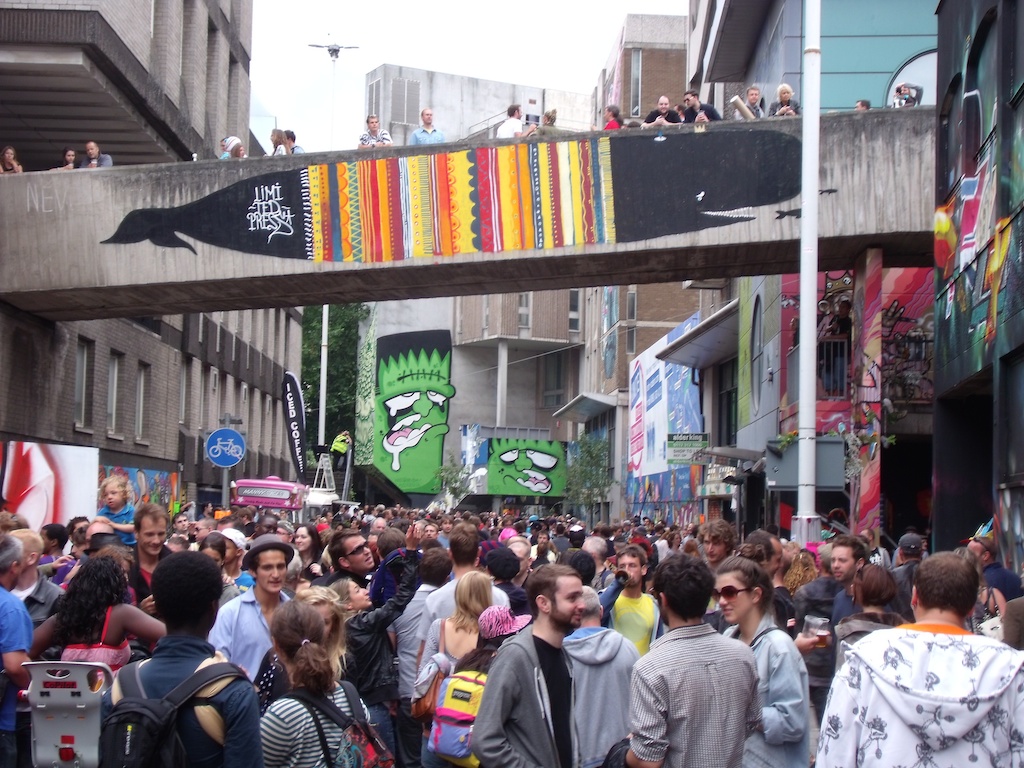
Ray founded Club395 and The Bristol Creative Co., and is vital to Bristol’s accessible, global-majority, queer creative scene.
I’ve written to the Home Secretary urging her to update the criteria for the Global Talent visa to reflect the reality of grassroots culture.
You can read the letter in full here:
Shabana-Mahmood-Global-Talent-visas
The full text of the letter reads:
Dear Shabana,
Re: Outdated Global Talent visa criteria and risk of removal of community leader
I am writing to draw your attention to a serious and urgent issue with the criteria for the Global Talent visa, and the detrimental impact of this on talented grassroots community leaders and vital cultural venues.
My constituent, Ridwanul Kabir Shakib (Ray), has had their Global Talent Stage 1 endorsement refused by Arts Council England.
Ray is the founder of Club395 and The Bristol Creative Co., which together form an important part of Bristol’s accessible, global-majority and queer-friendly creative ecosystem. The venue and its events function as key cultural infrastructure and a community hub, and The Bristol Creative Co. uplifts and upskills under-represented creatives.
I understand that the Global Talent visa is the only visa route available for Ray. They say that they used to have a Sponsorship Licence, but when the salary requirement for this increased from £26,200 to £38,700 pa, this became untenable. It is admirable that, rather than extract money from the community by increasing events prices to fund their sponsorship, Ray decided to pursue the Global Talent route.
However, Ray found that the current Global Talent visa criteria are outdated and fail to adequately quantify or recognise the contributions of grassroots cultural community leaders. The assessment process does not seem equipped to evaluate the impact of music workers and creative leaders operating outside of traditional, high-capital corporate structures. This highlights a wider issue of the Global Talent visa route not doing exactly what it was purportedly designed to do – to recognise the essential work of those building and maintaining cultural communities.
Ray’s Global Talent visa refusal cited insufficient “professional bookings”, “media recognition” and “proof of appearances”. It appears that these criteria are designed for artists that are backed by large institutions. This disadvantages grassroots cultural organisers whose work serves marginalised groups in non-institutional settings.
It does not seem designed to capture the positive impact that venues like this one have, for example as a safe third space for queer, diaspora, neurodivergent and working-class young people. Club395 also builds skills and develops talent in the community via weekly free open sessions for musicians, DJs, filmmakers, and designers. Club395 provides cross-community cultural exchange, as well as reducing isolation and providing purpose and peer support. The club’s contribution to Bristol’s grassroots cultural scene is vital, and it provides integral community support where Government investment is lacking.
Shabana, when the Government published its new asylum policy in November 2025, you said that “this country welcomes people who contribute.” It is clear to see that Ray is exactly the type of person the Global Talent route was designed to retain: someone who contributes hugely to the UK’s cultural fabric and provides employment and support in their local community. However, it is not working. As a result, people like Ray do not have a legal pathway to stay in the UK.
This is not an isolated issue – I have heard testimony from individuals across the UK who are facing this barrier to staying and contributing to the UK’s vibrant cultural scene. What’s more, I am deeply troubled by reports that under this government, Home Office caseworkers have been interpreting the Global Talent visa criteria more restrictively than was the case under the last government, and that caseworkers making decisions on these applications do not have experience of grassroots culture.
I have been contacted by several of my constituents in support of Ray, and would like to share their words about Ray with you. They say:
“Ray came to the UK as an international student, graduated from UWE, and has since made Bristol their home. As a queer, neurodivergent Bangladeshi creative, this is the first place where Ray has felt safe, seen, and able to build a future. They have no equivalent support network elsewhere, and removal would sever their community ties, disrupt their wellbeing, and dismantle years of ongoing work.”
I would be grateful for a response outlining how you plan to update the Global Talent visa criteria to accurately reflect and effectively assess the reality of grassroots venues and community leaders.
I would also welcome confirmation that Ray’s appeal will be considered fully, and that their impact on the culture and community of Bristol will not be underestimated.
I look forward to your response.